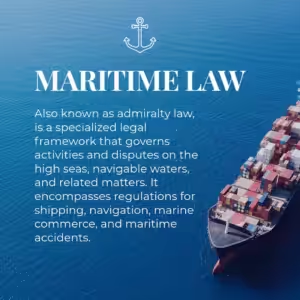
 El derecho marítimo, a menudo denominado «derecho de la marina», es un sistema jurídico especializado que regula las actividades que se desarrollan en aguas navegables. Abarca varios ámbitos importantes:
- Transporte marítimo: Desde el transporte de mercancías hasta la seguridad, pasando por la gestión de colisiones y salvamento.
- Seguros marítimos: Protección de las actividades marítimas mediante seguros.
- Prevención de la contaminación: Trabajar para reducir la contaminación de nuestros océanos.
- Aduanas: Gestión de las normas aplicables a las mercancías que entran y salen de los puertos.
- Normativa portuaria: Supervisar las actividades portuarias y garantizar la seguridad.
En muchos países, el Derecho marítimo funciona al margen de las leyes nacionales y se rige por los convenios establecidos por la Organización Marítima Internacional (OMI). Organizaciones como la Federación Internacional de Salvamento Marítimo (IMRF) también desempeñan un papel vital en la seguridad marítima mundial y en las operaciones de salvamento.
Evaluación gratuita de su caso
Derecho marítimo
El derecho marítimo se refiere al mar, al comercio marítimo y a la navegación. El derecho marítimo regula el transporte de mercancías y pasajeros por vía marítima, la propiedad y el mantenimiento de los buques, la contratación de la tripulación y los seguros marítimos. Se trata de un ámbito jurídico especializado que abarca la normativa nacional e internacional, garantizando la uniformidad en la resolución de litigios marítimos.
Entre los ámbitos clave del derecho del almirantazgo figuran:
- Reclamaciones por daños personales: En virtud del derecho marítimo, los marineros, los trabajadores portuarios y los empleados de plataformas marinas pueden reclamar una indemnización por las lesiones sufridas en el trabajo.
- Reclamaciones en virtud de la Ley Jones: Esta ley protege a los marineros que han sufrido lesiones, permitiéndoles demandar a sus empleadores por negligencia que haya provocado dichas lesiones.
- Mantenimiento y asistencia médica: Los empleadores deben hacerse cargo de los gastos de manutención y del tratamiento médico de los trabajadores marítimos lesionados hasta que alcancen la mejoría médica máxima.
Ley de Indemnización Laboral para Trabajadores Portuarios y de la Costa (LHWCA): Esta ley federal protege a los trabajadores marítimos que no están cubiertos por la Ley Jones.
Normalmente, la jurisdicción de almirantazgo cubre los casos en los que la reclamación se deriva de un accidente en las aguas navegables de Estados Unidos y afecta al comercio marítimo.
La jurisdicción del almirantazgo también abarca los contratos relativos a "la navegación, los negocios o el comercio marítimos" y los delitos cometidos en alta mar contra un buque o un ciudadano estadounidense.
Además, el Tribunal Supremo de los Estados Unidos ha sostenido que la jurisdicción de almirantazgo no se limita a los casos relacionados con buques comerciales.
En pocas palabras, los accidentes de embarcaciones de propiedad privada en aguas navegables pueden ser llevados ante los tribunales de almirantazgo, incluso si la embarcación sólo se utilizó para una divertida excursión de un día con la familia y los amigos.
En los casos relacionados con estibadores y trabajadores portuarios se aplican otras leyes, sobre las que puede informarse en nuestra publicación: «Dos recursos eficaces para estibadores y trabajadores portuarios lesionados».
Un tribunal tiene competencia exclusiva sobre una demanda si está facultado para conocer de ella con exclusión de todos los demás tribunales. Los tribunales federales tienen competencia exclusiva en primera instancia sobre todos los asuntos civiles de jurisdicción marítima, pero los particulares no están obligados a presentar los asuntos marítimos ante los tribunales federales.
Hace mucho tiempo, el Congreso promulgó la Ley Judicial de 1789 que otorgaba a los tribunales estatales jurisdicción concurrente (lo que significa que un caso puede presentarse en más de un tribunal) para conocer de la mayoría de los tipos de acciones de almirantazgo siempre que exista un recurso disponible en virtud del derecho común.
En otras palabras, los tribunales estatales pueden conocer de casos marítimos siempre que el tribunal estatal sea capaz de conceder a las partes alguna reparación a la que no tendrían necesariamente acceso en el sistema judicial federal.
Por lo general, los casos que normalmente se presentan ante los tribunales estatales en lugar de los federales son aquellos que implican acciones de responsabilidad civil o en los que un tribunal estatal puede obtener jurisdicción personal sobre el demandado.
Hay algunos tipos de demandas de almirantazgo sobre las que un tribunal federal tiene jurisdicción exclusiva y debe conocer, entre ellas la ejecución de un derecho de retención marítimo, la ejecución de una hipoteca preferente sobre un buque, la limitación de la responsabilidad del propietario del buque, cualquier procedimiento en el que se demande al propio buque( procedimientoin rem ) y las demandas marítimas contra el gobierno.
Las partes pueden elegir si presentan su demanda ante los tribunales estatales o federales. Esta elección es importante, ya que las partes pueden gozar de derechos diferentes o más favorables en virtud del Derecho marítimo federal que los que tendrían en virtud del Derecho estatal, o viceversa. Cuando un caso se presenta ante un tribunal estatal, este debe aplicar el Derecho sustantivo federal y el Derecho procesal estatal.
Esta norma garantiza que las leyes marítimas federales rijan todos los casos marítimos, pero permite a los estados conocer de los casos marítimos basándose en sus propios procedimientos y en el derecho consuetudinario. Esta distinción es importante porque en muchos aspectos la ley federal de almirantazgo difiere de la ley estatal.
Posiblemente la diferencia más crítica entre los tribunales de derecho marítimo y los de common law es que los jueces de almirantazgo sólo aplican el derecho marítimo general y celebran juicios sin jurado.
Para los casos relacionados con el Derecho marítimo, como los que implican una lesión en alta mar, es importante encontrar un abogado que comprenda los entresijos de esta compleja área del Derecho.
Los abogados de lesiones marítimas de Houston en Armstrong Lee & Baker LLP están bien versados en los entresijos de las leyes que se aplican en los casos marítimos.
Historia del Derecho marítimo
El Derecho marítimo tiene raíces muy antiguas, que se remontan a las primeras civilizaciones comerciales del Mediterráneo. Con el tiempo, ha evolucionado hasta convertirse en un complejo cuerpo de leyes de ámbito tanto nacional como internacional. Hoy en día, el derecho marítimo incluye varios estatutos, convenios y tratados que regulan las actividades en el agua. En Estados Unidos, el derecho marítimo es principalmente federal, aunque las leyes estatales también pueden desempeñar un papel en algunos casos.
Elementos fundamentales del Derecho marítimo
El Derecho marítimo se compone de varios elementos clave, cada uno de los cuales aborda diferentes aspectos de las actividades y cuestiones marítimas:
- La Ley Jones: Uno de los estatutos más importantes del Derecho marítimo estadounidense es la Ley Jones. Proporciona protección a los marineros lesionados en el curso de su empleo y permite a los marineros lesionados demandar a sus empleadores por daños resultantes de negligencia. Esta ley es vital para garantizar que los trabajadores marítimos puedan reclamar una indemnización por las lesiones sufridas en el mar.
- Mantenimiento y curación: Esta doctrina obliga a los empleadores a sufragar los gastos básicos de subsistencia y la atención médica de los marineros lesionados hasta que alcancen la mejoría médica máxima. La manutención cubre los gastos diarios, mientras que la curación cubre los gastos médicos. Esta obligación existe independientemente de quién haya tenido la culpa de la lesión.
- Ley de Indemnización de los Trabajadores Marítimos y Portuarios (LHWCA): Esta ley marítima federal ofrece indemnizaciones a los trabajadores marítimos que no son marineros, como estibadores, trabajadores portuarios y otros empleados marítimos. La LHWCA ofrece prestaciones para atención médica y servicios de rehabilitación, así como compensación por los salarios perdidos a causa de las lesiones.
Lesiones marítimas comunes
Los trabajadores del sector marítimo se enfrentan a riesgos específicos que pueden provocar lesiones graves. Estas lesiones suelen producirse debido a condiciones de trabajo peligrosas, maquinaria pesada y condiciones meteorológicas impredecibles. Entre las lesiones más comunes en el sector marítimo se incluyen:
- Fracturas: Las fracturas óseas pueden producirse como consecuencia de accidentes por resbalones y caídas o por el impacto de maquinaria pesada, lo que a menudo provoca un dolor intenso, problemas de movilidad, un tratamiento médico prolongado y dificultades para reincorporarse al trabajo.
- Lesiones en la cabeza: El movimiento de los objetos y la caída de estos pueden provocar conmociones cerebrales y lesiones cerebrales traumáticas (LCT), que pueden dar lugar a deterioro cognitivo, mareos, dolores de cabeza, pérdida de memoria o complicaciones neurológicas a largo plazo.
- Quemaduras: El aceite caliente, los derrames de alimentos, los fallos eléctricos y los incendios suponen un riesgo importante de quemaduras, que pueden provocar daños graves en los tejidos, lesiones nerviosas, una recuperación dolorosa, cicatrices permanentes o, en casos extremos, incluso infecciones que ponen en peligro la vida.
- Amputaciones: Las lesiones graves pueden requerir la amputación de extremidades, a menudo como consecuencia de accidentes con maquinaria, lo que conlleva una discapacidad permanente, sufrimiento psicológico, la necesidad de utilizar prótesis y cambios importantes en el estilo de vida o la carrera profesional.
- Exposición a sustancias químicas: Los trabajadores de plataformas marítimas pueden estar expuestos a sustancias peligrosas, lo que puede provocar problemas respiratorios a largo plazo, irritación cutánea, enfermedades crónicas, insuficiencia orgánica o daños neurológicos que afecten a la función motora y a las capacidades cognitivas.
- Lesiones de espalda: levantar objetos pesados, los movimientos repetitivos y las caídas pueden provocar lesiones medulares graves, que dan lugar a dolor crónico, movilidad reducida, compresión nerviosa, hernias discales o incluso parálisis parcial o total.
- Caídas: Las cubiertas resbaladizas, las superficies inestables y el movimiento de los barcos provocan caídas frecuentes, lo que aumenta el riesgo de esguinces, fracturas, conmociones cerebrales, hemorragias internas, lesiones medulares y hematomas graves.
- Hipotermia: La exposición a aguas frías y a condiciones climáticas adversas puede provocar descensos de la temperatura corporal que ponen en peligro la vida, lo que reduce el control muscular, afecta a la capacidad de juicio y aumenta el riesgo de ahogamiento o de paro cardíaco.
Historia marítima
El derecho marítimo ha evolucionado a lo largo de miles de años, incorporando leyes antiguas, normativas modernas y acuerdos internacionales. Se trata de un sistema jurídico integral que regula las operaciones marítimas y garantiza la seguridad y el trato justo de la gente de mar.
Orígenes antiguos
- Leyes marítimas de Rodas (900 a. C.): Estas leyes comerciales del Mediterráneo influyeron en la normativa marítima romana durante siglos.
- Leyes de Olerón (1150 d. C.): establecieron la responsabilidad de los armadores en cuanto a la asistencia médica y los gastos de manutención de los marineros lesionados.
Orígenes modernos
- Tribunal del Almirantazgo británico: ha configurado en gran medida el derecho marítimo moderno a través de sus sentencias jurisprudenciales.
- El derecho consuetudinario: desempeñó un papel importante en el desarrollo de la normativa marítima.
- La Ley Judicial de 1789 otorgó a los tribunales federales de distrito de los Estados Unidos competencia sobre los asuntos de derecho marítimo.
Acuerdos internacionales
- La Convención sobre el Derecho del Mar: un tratado de las Naciones Unidas que establece normas marítimas a escala mundial.
Situación actual
Hoy en día, el derecho marítimo abarca tanto cuestiones jurídicas públicas como privadas, y aúna la normativa nacional e internacional en un marco jurídico unificado. También se conoce como derecho marítimo.
Estadísticas de lesiones marítimas
Las lesiones en el sector marítimo siguen siendo un motivo de gran preocupación dentro de la industria. Entre 2014 y 2022, se produjeron una media de 753 lesiones relacionadas con el sector marítimo al año. En 2022, el número de lesiones notificadas descendió a 597, la más bajo registrado durante ese periodo.
Causas comunes de lesiones marítimas
- Resbalones, tropiezos y caídas: estas son las principales causas de lesiones en el ámbito marítimo, que suelen producirse debido a superficies mojadas, equipos mal sujetos y pisadas inestables, lo que provoca fracturas y traumatismos craneales.
- Accidentes con maquinaria y equipos: los fallos de funcionamiento o el uso inadecuado de la maquinaria pesada pueden provocar lesiones graves por aplastamiento, amputaciones o incluso la muerte, por lo que la seguridad en el lugar de trabajo es fundamental.
- Caídas por la borda: estos accidentes, a menudo mortales, se producen debido a la falta de medidas de seguridad adecuadas, como la ausencia de barandillas, una formación deficiente o condiciones meteorológicas peligrosas.
- Incendios a bordo: Las averías en los motores, las fugas de combustible y los fallos eléctricos contribuyen a que se produzcan incendios a bordo, que pueden propagarse rápidamente y provocar quemaduras graves o la muerte de los tripulantes.
- Lesiones por sobrecarga: Las lesiones por esfuerzo repetitivo son frecuentes entre los trabajadores del sector marítimo que realizan trabajos físicos prolongados, lo que provoca dolor crónico, movilidad reducida y problemas de salud a largo plazo.
Factores que contribuyen a los accidentes marítimos
- Error humano: representa entre el 75 % y el 96 % de los accidentes marítimos, a menudo debido a errores de juicio, fatiga o distracción, por lo que es fundamental contar con una formación y una supervisión adecuadas.
- Formación y medidas de seguridad inadecuadas: Una formación deficiente puede aumentar los riesgos en el lugar de trabajo, dejando a los trabajadores sin la preparación necesaria para hacer frente a emergencias, averías en la maquinaria y situaciones peligrosas.
- Condiciones meteorológicas adversas: Las condiciones meteorológicas extremas pueden provocar inestabilidad en las embarcaciones, pérdida de control y condiciones de trabajo peligrosas que aumentan el riesgo de accidentes marítimos.
- Espacios de trabajo reducidos y abarrotados: mayor riesgo de lesiones debido a la limitada capacidad de movimiento, lo que dificulta que los trabajadores puedan reaccionar con rapidez en caso de emergencia o accidente.
- Fatiga: Las largas jornadas laborales y la falta de descanso afectan al rendimiento y a la seguridad, lo que provoca tiempos de reacción más lentos, errores y un mayor riesgo de accidentes.
- Falta de experiencia: La formación insuficiente o el hecho de que los nuevos empleados no estén familiarizados con los protocolos marítimos suele hacer que tengan dificultades para manejar equipos complejos o para responder de manera eficaz ante situaciones de emergencia.
- Comportamiento imprudente: El abuso de drogas y alcohol contribuye a crear condiciones de trabajo inseguras, ya que afecta al juicio y a la coordinación, lo que puede provocar accidentes mortales.
- Mala toma de decisiones y negligencia: a menudo constituyen un factor determinante en los accidentes marítimos, incluyendo el incumplimiento de los protocolos de seguridad, la falta de mantenimiento o la indiferencia ante situaciones de peligro.
Accidentes marítimos
- Pérdida de control
- Pérdida de potencia de propulsión
- Resbalones, tropiezos y caídas
- Colisiones entre buques
Los trabajadores marítimos que sufren lesiones pueden solicitar una indemnización por gastos médicos y salarios perdidos.
Indemnización en virtud de reclamaciones marítimas
El Derecho marítimo proporciona un marco para determinar la indemnización en casos de accidentes marítimos. Ya se trate de lesiones personales, daños materiales o muerte por negligencia, entender cómo funciona la indemnización es esencial para proteger sus derechos.
Cuando se trata de reclamaciones marítimas, la indemnización puede cubrir una serie de daños y perjuicios, como gastos médicos, pérdida de salarios, dolor y sufrimiento, y pérdida de bienes. La cuantía de la indemnización a la que puede tener derecho dependerá de varios factores, como la gravedad de la lesión, la repercusión en su capacidad para obtener ingresos y la magnitud de los daños materiales.
Por qué necesita un abogado especializado en lesiones marítimas
Un abogado especializado en lesiones marítimas presta una asistencia crucial a los lesionados en el mar. Su experiencia es esencial para gestionar los desafíos legales y garantizar que los trabajadores marítimos lesionados reciban la indemnización a la que tienen derecho.
Los abogados especializados en lesiones marítimas ayudan a los clientes de varias maneras:
- Investigación de siniestros: Investigan a fondo las circunstancias de una lesión, reuniendo pruebas y entrevistando a testigos para construir un caso sólido.
- Entender la Ley Jones y otros estatutos: Los abogados ayudan a los clientes a comprender y utilizar las protecciones que ofrecen la Ley Jones, la LHWCA y otras leyes pertinentes.
- Negociación de acuerdos: Los abogados negocian con empresarios y compañías de seguros para conseguir acuerdos justos para sus clientes.
- Litigación de casos: Cuando fracasan las negociaciones, abogados expertos en lesiones marítimas representan a sus clientes ante los tribunales, defendiendo sus derechos y buscando una indemnización justa.
Nuestros abogados marítimos están listos para ayudar
El derecho marítimo es complejo y abarca muchas cuestiones relacionadas con las actividades en aguas navegables. Consultar a un abogado de lesiones marítimas es fundamental para manejar todas las posibles complicaciones legales y ayudarle a asegurar los beneficios que se merece. Puede programar una evaluación gratuita de su caso utilizando nuestro formulario en línea o llamando al (832) 402-6637.
Resultado
$72,500,000
Acuerdo de 72.500.000 dólares para la familia de un trabajador de un yacimiento petrolífero que perdió la vida por negligencia y condiciones de trabajo inseguras.
Resultado
$35,800,000
Acuerdo de 35.800.000 dólares para un trabajador de una refinería herido en un incendio repentino.
Resultado
$23,600,000
Sentencia de 23.600.000 dólares para una madre y su hija gravemente heridas en un accidente de vuelco de un autobús de pasajeros.
Resultado
$10,000,000
$10,000,000 acuerdo confidencial. Nuestro cliente se lesionó en Dallas, Texas.
Resultado
$8,000,000
Acuerdo de 8.000.000 de dólares para la familia de una inquilina secuestrada y asesinada debido a la rotura sistemática de las puertas de seguridad y a la falta de seguridad permanente en su complejo de apartamentos.
Resultado
$7,220,538.59
Acuerdo de 7.220.538,59 dólares para un trabajador que sufrió lesiones catastróficas cuando una prensa industrial que funcionaba mal le aplastó el brazo durante un trabajo rutinario. El fallo de los sensores de seguridad y la falta de supervisión adecuada provocaron una amputación que le cambió la vida.
Resultado
$6,000,000
6.000.000 de dólares para una clienta que sufrió lesiones en órganos internos al chocar con una carretilla elevadora tras recibir una formación inadecuada.
Resultado
$5,500,000
5.500.000 dólares para un cliente que sufrió una lesión quirúrgica en la zona lumbar mientras levantaba maquinaria pesada en el trabajo.
Resultado
$5,450,000
Acuerdo por valor de 5 450 000 dólares para un operario de equipos petroleros que resultó alcanzado por un fluido de fracturación hidráulica a alta presión, tras el fallo de los trabajadores a la hora de fijar correctamente una tubería en una plataforma de perforación del oeste de Texas
Resultado
$5,250,000
Recuperación de 5.250.000 dólares para un operario de una plataforma petrolífera que sufrió lesiones por el mal funcionamiento de un equipo cuando hacía frío.
Resultado
$5,000,000
$5,000,000 acuerdo confidencial para trabajador de construcción y su familia. Nuestro cliente fue herido en el Condado de Cherokee, Texas en un sitio de construcción. Ambas manos fueron amputadas.
Si usted o alguien que usted conoce ha sido herido en un incidente en alta mar y necesita hablar con un abogado marítimo con experiencia, póngase en contacto con 832-402-6637 para una consulta sobre su caso.
Scott Armstrong es el socio gerente y cofundador de Armstrong Lee & Baker LLP. Conocido por su visión estratégica y su implacable búsqueda de la justicia, Scott dirige personalmente el enfoque del bufete en casos complejos, como lesiones catastróficas, accidentes de tráfico, lesiones laborales y responsabilidad por productos defectuosos. Su liderazgo ha creado una cultura en la que la excelencia, la innovación y la dedicación al éxito del cliente son primordiales, y su influencia es evidente en todos los casos que lleva el bufete, a menudo con el resultado de cientos de millones recuperados para los clientes.
Premios y galardones


Póngase en contacto con Scott Armstrong



 Llame a
 Mensaje