
832.402.6637Free Consultation
Updated & Reviewed by
Joshua Lee -
April 29, 2026
Frac sand trucks transport large quantities of sand used in hydraulic fracturing operations (also known as fracking.) These trucks move constantly between sand mines, rail terminals, and well sites across oil-producing regions like the Permian Basin and Eagle Ford shale. Because they haul extremely heavy loads and operate on rural oilfield roads, accidents involving frac sand trucks can lead to severe injuries or fatalities.
Understanding how these trucks operate, why they are so common, and what causes accidents is key if you have been injured in an oilfield trucking crash.
Frac sand is a high-purity quartz sand used during hydraulic fracturing. It is injected into underground rock formations at high pressure to keep fractures open so oil and gas can flow. In simple terms, frac sand makes oil extraction possible.
The material is an essential part of modern energy production, and each well can require enormous amounts of it, indeed, often millions of pounds. That demand is why frac sand trucking operations run continuously in active oil regions.
A frac sand truck is a commercial vehicle designed to transport large volumes of sand from one location to another in the oilfield supply chain. These trucks commonly move sand between sand mines, rail terminals, transload facilities, and active well sites. There are a few common types of frac sand trucks:
Regardless of the type, these vehicles are quite heavy and are constantly on the move in high-traffic oilfield areas.
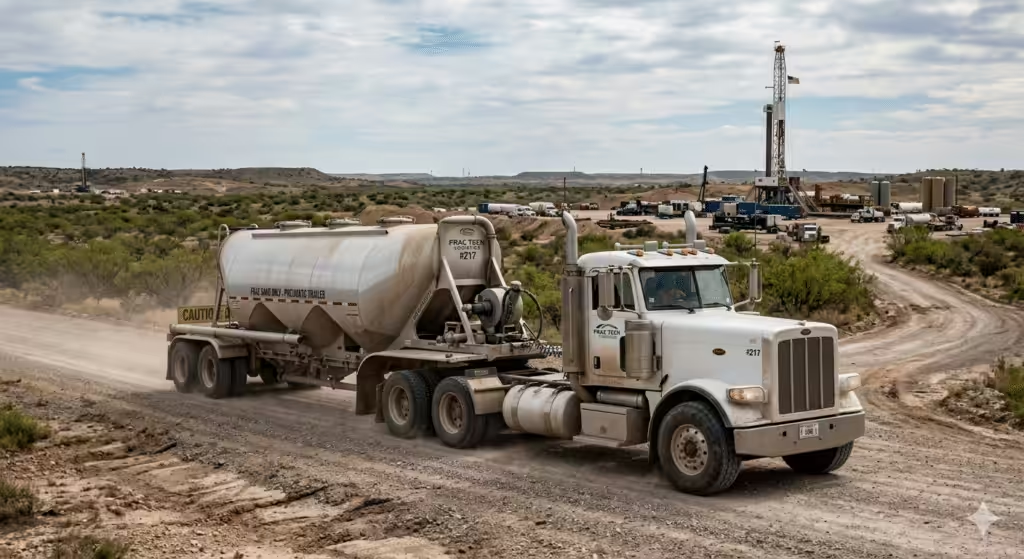
The Permian Basin, located in West Texas and southeastern New Mexico, is one of the largest oil-producing regions in the United States. Oil production at this scale requires a steady and reliable supply of frac sand.
As a result, truck traffic in the Permian Basin is intense. Sand must be delivered continuously to drilling sites, often around the clock, creating heavy congestion on highways and rural roads. This sort of traffic results in increased wear and tear on infrastructure as well as a higher risk of collisions. Indeed, the surge in oilfield activity has been linked to increased accident rates and highway fatalities in the region, particularly involving heavy trucks like sand haulers.
The Eagle Ford Shale in South Texas is another major oil-producing region where frac sand trucking plays a critical role. Similar to the Permian Basin, oilfield operations in Eagle Ford rely on constant sand delivery. Trucks travel between mines, storage facilities, and well sites using rural highways and county roads.
Because these roads are often not designed for heavy commercial traffic, drivers in this region face increased risks due to narrow roadways with limited lighting. The result is a dangerous combination of industrial trucking activity and infrastructure not built to support it.
Frac sand trucking accidents are not random. They are often the result of predictable risks tied to the nature of the work.
Driver fatigue is one of the most common causes. Many drivers work long shifts under tight deadlines, making frequent trips between facilities and well sites. Fatigue slows reaction time and increases the likelihood of serious mistakes.
Inexperienced drivers also contribute to accidents. During oil booms, companies may hire quickly to meet demand, sometimes bringing in drivers with limited experience in oilfield conditions or heavy hauling.
The weight of these trucks is another major factor. Frac sand trucks carry extremely heavy loads, which increases stopping distance and makes the vehicles harder to control, especially at high speeds or on uneven terrain. Rollover accidents are a real risk.
Road conditions play a significant role as well. As described, many oilfield routes require trucks to go down narrow county roads or dirt roads that were never designed for constant heavy truck traffic. Poor maintenance, loose gravel, and uneven surfaces make driving more dangerous.
Finally, overloaded or improperly secured loads can create hazards. Spilled sand, shifting cargo, or overloaded trailers can lead to loss of control or create dangerous conditions for other drivers on the road.
Combined, the risk to other drivers in heavily-trafficked frac sand trucking areas is real and significant.
Liability in a frac sand truck accident is often more complex than in your typical car crash. Multiple parties may be involved, including:
Because these operations involve multiple companies working together, determining fault requires a careful investigation. In many cases, more than one party may share responsibility for the accident. This is one of the reasons these cases require an experienced attorney who knows how to handle complex oilfield claims.
After an accident involving a frac sand truck, taking the right steps can protect both your health and your legal rights.
First, you should seek medical attention immediately, even if your injuries do not seem severe at first. Some injuries may not show symptoms right away. It is also important to report the accident and make sure an official record is created. If possible, gather evidence at the scene, including photos, witness information, and details about the vehicles involved. Finally, avoid speaking with insurance adjusters before understanding your rights; statements made early on can affect your claim.
If you have been injured in a frac sand truck accident, you do not have to figure this out on your own. These cases often involve multiple companies, complex liability issues, and insurance teams working to limit what they pay. That is where having the right legal team matters.
At Armstrong Lee & Baker LLP, our oil field injury lawyers know how to investigate frac sand truck accidents, identify every responsible party, and fight for the full compensation you deserve. Call us today at (832) 402-6637 or contact us online for a free consultation.
We do not get paid unless we win your case.
Joshua Lee believes in aggressive, tough advocacy and a client-centered approach to every case. Joshua draws from a wide body of experiences and a robust understanding of the law. Joshua graduated from the New York University School of Law in New York City, which is considered among the best law schools in the world. Our lawyers have 25+ years of combined experience.



A frac sand truck is a large, heavy commercial vehicle used to transport sand for hydraulic fracturing operations from mines or terminals to oil and gas well sites.
They carry extremely heavy loads, operate on rural oilfield roads, and are often driven under tight schedules, all of which increase the risk of serious accidents.
Each oil well requires large amounts of frac sand, often millions of pounds, which must be delivered by truck on a continuous basis.
Common causes include driver fatigue, inexperienced drivers, heavy loads, poor road conditions, and improperly secured cargo.
Yes. If negligence played a role, you may be able to pursue a claim against one or more responsible parties, including trucking companies or oilfield operators.

This page has been written, edited, and reviewed by a team of lawyers following our comprehensive editorial guidelines. Our lawyers have more than 20 years of legal experience as personal injury attorneys.
Representing Injured Corpus Christi Pipeline Explosion Victims & Their Families On Friday, August 21st at approximately 8:00 AM, a devastating pipeline explosion t...
Posted by Scott Armstrong
Hydrogen sulfide (H2S) exposure is one of the most serious hazards oilfield workers can face. When an H2S release happens, the consequences can be catastrophic. In high...
Posted by Scott Armstrong
If you suffered a work injury in Texas while working as an independent oil field contractor, or on an offshore platform as an independent oil rig contractor, someone in...
Posted by Scott Armstrong
 Call
Call
 Message