
832.402.6637Free Consultation
Updated & Reviewed by
Scott Armstrong -
May 28, 2026
Hydrogen sulfide (H2S) exposure is one of the most serious hazards oilfield workers can face. When an H2S release happens, the consequences can be catastrophic. In high enough concentrations, a few breaths can lead to collapse, unconsciousness, and death. Even lower-level exposures can cause serious respiratory, neurological, and long-term health problems.
For workers in Texas oilfields, especially in sour gas regions, H2S isn’t a theoretical danger. It’s a known hazard that operators are expected to identify, monitor, and control. And while many employers take that responsibility seriously, accidents still happen. Sometimes the exposure comes from a major release. Other times it comes from a routine task gone wrong, like opening a valve, breaking a line, checking a tank, or entering an area where gas has accumulated unexpectedly.
Let’s take a closer look at what hydrogen sulfide is, why it’s dangerous, how oilfield companies are supposed to protect workers, and what to do if you or a loved one have been injured by an H2S leak.
Hydrogen sulfide is a colorless, highly toxic, and flammable gas naturally found in some oil and gas formations. In the industry, wells or formations containing significant H2S are often referred to as “sour” wells or sour gas operations.
At low concentrations, H2S is often associated with a rotten egg smell. But relying on smell is dangerous. At higher concentrations, H2S can quickly deaden your sense of smell, meaning a worker may stop noticing the gas even while exposure is increasing. That’s one reason H2S is often called a “silent killer.”
Another reason it’s so dangerous is that it’s heavier than air. Instead of dispersing upward, it can settle into low-lying areas such as pits, cellars, tanks, enclosed spaces, and pump houses. That makes routine maintenance, tank work, and confined space tasks particularly hazardous.
H2S can also appear in ways workers may not expect. It may be present in:
In some cases, workers can encounter dangerous concentrations during ordinary checks or maintenance activities, especially when gas has accumulated in equipment or enclosed areas. OSHA specifically warns that even opening a hatch can trigger “knockdown” exposure in some scenarios.
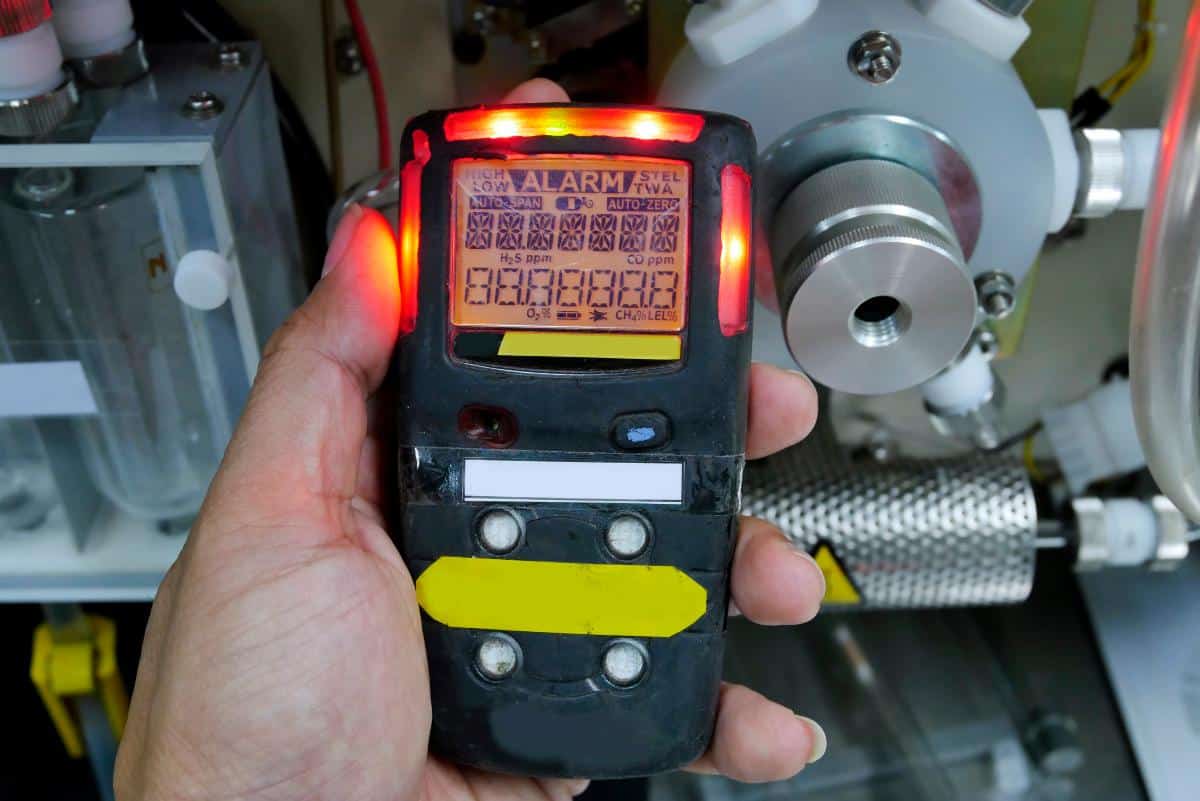
H2S is a recognized hazard throughout the oil and gas industry, but it’s particularly relevant in Texas. The state has numerous sour gas fields, and the Railroad Commission of Texas maintains H2S field and concentration listings because the hazard is significant enough to warrant specialized regulation.
West Texas and Permian Basin operations often get the most attention, but H2S risks can arise in many production environments. Even wells not traditionally classified as “sour” can present H2S hazards under certain conditions.
This is notable because many workers assume H2S is only a concern at clearly designated sour gas sites. In reality, pockets of gas can appear unexpectedly, conditions can change, equipment can trap gas, and corrosion products can generate H2S. A task that was routine yesterday may become dangerous the next.
Fatal H2S incidents are relatively uncommon compared with other oilfield hazards, but they still happen every year, and nonfatal H2S injuries likely occur far more often than the public realizes. Workers may suffer:
And rescues themselves are a major concern. In many industrial gas incidents, multiple people are often injured because a coworker or family member attempts a rescue without protection. Tragically, that pattern has repeated in Texas H2S cases.
The danger of H2S is not just that it’s toxic but how quickly conditions can turn deadly.
Exposure severity depends on concentration and duration.
Other risks include:
This is one of the most feared H2S scenarios in oilfields. A concentrated release can cause a worker to collapse almost instantly. This can happen while opening equipment, entering a confined area, or encountering an unexpected gas plume.
Not every H2S exposure is fatal. Survivors may still suffer lasting harm, including breathing problems, chronic headaches, memory issues, concentration problems, and other neurological symptoms.
H2S is also flammable. In some incidents, toxic exposure and fire or explosion hazards exist at the same time.
Coworkers often instinctively try to help an incapacitated worker. Without supplied air protection, helpers can become victims too.
That is one reason H2S incidents are treated with such seriousness across the industry.
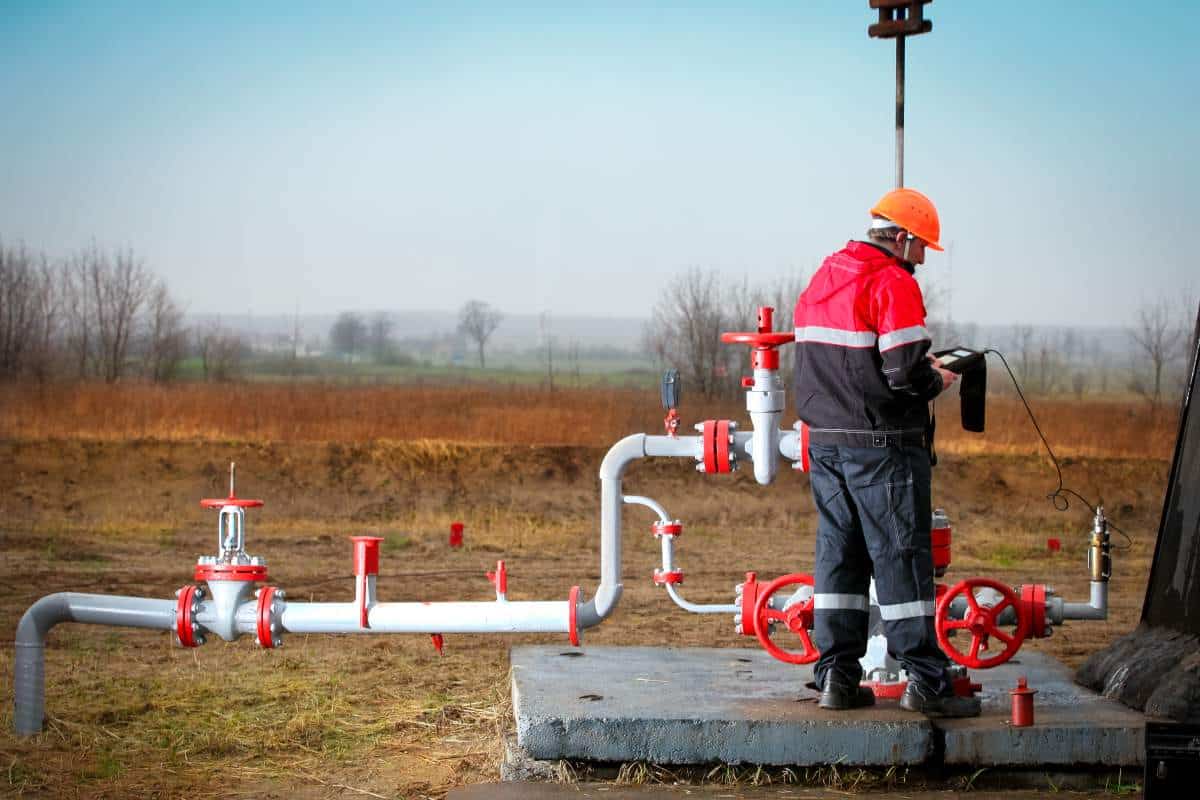
Because the danger is so well known, H2S exposure is often preventable when safety systems are taken seriously.
Protection usually starts with hazard recognition and planning. If H2S may be present, operators should identify the risk before work begins, not after something goes wrong.
Continuous gas monitoring is one of the most important safeguards. Personal H2S monitors, often worn near the breathing zone on a collar or chest, can alert workers to dangerous concentrations. Area monitoring systems may provide another layer of warning, but monitors only help if they are properly calibrated, maintained, and actually used. Often times, oilfield companies hire a H2S safety company who provides all of the monitoring and testing.
Ventilation is another critical control. Because H2S can accumulate in enclosed or low areas, proper ventilation can reduce the chance of dangerous buildup.
Respiratory protection is often misunderstood. A standard air-purifying respirator does not solve an H2S emergency. In potentially lethal environments, supplied-air systems or self-contained breathing apparatus (SCBA) may be required. Texas safety guidance specifically identifies pressure-demand SCBA or supplied-air respirators with auxiliary escape air for serious H2S hazards.
Training also matters. Workers should be trained to know:
And perhaps most importantly, companies need procedures for abnormal situations, not just normal operations. Many serious H2S injuries happen during maintenance, upset conditions, line breaks, unexpected releases, or one-off tasks that fall outside routine production. That is often where failures happen.
Not every H2S incident means someone broke the rules. But many serious exposures involve preventable failures such as:
Responsibility may fall on an operator if established safety measures are ignored. In other cases, H2S safety contractors, site owners, equipment manufacturers, or multiple parties may share blame which is important when it comes to securing compensation.

If an H2S exposure has already happened, protecting your health comes first.
Get medical attention immediately, even if symptoms seem minor. Some effects may not be obvious right away, and documentation can be important for both treatment and any future legal claim.
Report the incident as soon as possible through the appropriate workplace channels. If there was an alarm failure, unexpected release, rescue issue, or unsafe condition, those details may matter later.
If you’re able, preserve information. This can include incident reports, medical records, monitor data, witness names, photographs, training records, or communications about the event.
Do not assume an employer’s internal explanation tells the whole story. Early descriptions of industrial incidents are sometimes incomplete or wrong.
If a family member was seriously injured or killed, it’s important to have the incident reviewed promptly. Evidence in industrial cases can disappear quickly.
Finally, speak with an attorney experienced in oilfield injury cases before assuming your only remedy is workers’ compensation. Depending on the circumstances, there may be third-party claims or other avenues for recovery.
Your ability to recover compensation depends on how the exposure happened and who was responsible. If
In some cases, injured workers may have claims involving:
Oilfield injury cases can be complex, especially in Texas, where employer structures, contractors, and non-subscriber issues can affect legal options. But complexity should not stop injured workers from getting answers.
If an H2S leak caused serious injury or loss, it’s worth speaking with a lawyer as early as possible, especially if:
Cases involving toxic gas exposure often require looking beyond the immediate accident to identify what failed before the release ever happened.
H2S may be a known hazard in Texas oil fields, but that doesn’t make preventable injuries acceptable. Workers should not be exposed because a monitor failed, a hazard was ignored, a system was improperly maintained, or a company cut corners on safety.
If you or someone you love suffered harm from an H2S leak, understanding your legal rights is crucial.
At Armstrong Lee & Baker LLP, we represent injured Texas workers and families in serious industrial accident cases, including oilfield injuries. If you have questions after an H2S exposure, our team can help you understand your options. Reach out today for a free consultation.
Scott Armstrong is the Managing Partner and co-founder of Armstrong Lee & Baker LLP. Known for his strategic insight and relentless pursuit of justice, Scott personally guides the firm’s approach to complex cases, including catastrophic injuries, vehicle accidents, workplace injuries, and product liability. His leadership has created a culture where excellence, innovation, and dedication to client success are paramount, and his influence is evident in every case the firm handles, often resulting in hundreds of millions recovered for clients.




This page has been written, edited, and reviewed by a team of lawyers following our comprehensive editorial guidelines. Our lawyers have more than 20 years of legal experience as personal injury attorneys.
Maritime law, often called admiralty law, is a specialized legal system that regulates activities within navigable waters. It touches on several important areas: ...
Posted by Scott Armstrong
Representing Injured Corpus Christi Pipeline Explosion Victims & Their Families On Friday, August 21st at approximately 8:00 AM, a devastating pipeline explosion t...
Posted by Scott Armstrong
Did you know that in an accident more than three miles offshore, neither state nor general maritime law applies? When you reach the three-mile mark, fatal vessel accid...
Posted by Joshua Lee
 Call
Call
 Message