
832.402.6637Consulta gratuita
Si ha sufrido una lesión mientras trabajaba para Amazon, es posible que tenga más opciones de las que cree. Dado que Amazon no está afiliada actualmente al seguro de accidentes de trabajo en Texas, recurre a un plan de seguro privado para gestionar las lesiones laborales. Esto también significa que se puede exigir responsabilidad civil a Amazon por los daños y perjuicios si su negligencia contribuyó a su lesión, por ejemplo, debido a un mal mantenimiento del equipo, la falta de EPI adecuado, ritmos de producción inseguros u otras condiciones de trabajo peligrosas. También puede tener opciones legales si no recibió la atención médica adecuada o si se le presionó para que volviera al trabajo antes de recuperarse por completo.
No des por sentado que la aseguradora de la empresa vela por tus intereses. Habla hoy mismo con un abogado con experiencia en accidentes laborales para conocer tus derechos, proteger tu salud y explorar todas las opciones a tu alcance.
El 1 de julio, Amazon pasó de la cobertura para no suscriptores a la cobertura tradicional de indemnización por accidentes de trabajo de Texas. Esto significa que, a partir de ahora, Amazon contará con la cobertura estatal de indemnización por accidentes de trabajo para los accidentes laborales cubiertos que se produzcan en Texas.
Si sufriste una lesión mientras trabajabas para Amazon antes del 1 de julio, tu reclamación sigue estando cubierta por el anterior seguro de accidentes laborales para no afiliados de Amazon. Esa distinción es importante. Las reclamaciones de los no afiliados pueden otorgar a los trabajadores lesionados derechos distintos a los de las reclamaciones estándar de indemnización por accidente laboral, incluido el posible derecho a demandar si la negligencia de Amazon causó o contribuyó a la lesión.
Si sufrió un accidente en Amazon antes del cambio en la cobertura, no dé por sentado que su caso se limita a una reclamación tradicional de indemnización por accidente laboral. Póngase en contacto con Armstrong Lee & Baker LLP para averiguar qué sistema se aplica y qué opciones legales tiene a su disposición.
La decisión de Amazon de pasarse al sistema de indemnización por accidentes laborales de Texas es importante porque las empresas que no están afiliadas a dicho sistema se enfrentan a riesgos que, por lo general, no corren las empresas que sí están afiliadas al sistema tradicional de indemnización por accidentes laborales.
Cuando una empresa de Texas no está afiliada al seguro de accidentes de trabajo, los empleados lesionados pueden presentar demandas por negligencia y reclamar indemnizaciones que, por lo general, no están previstas en los casos habituales de accidentes de trabajo, como la indemnización por daños morales. Para una empresa con importantes operaciones de almacén, logística y reparto, esto puede suponer un riesgo legal considerable.
Es posible que ese riesgo esté aumentando debido a la reciente sentencia del Tribunal Supremo de los Estados Unidos en el caso Flowers Foods contra Brock, dictada el 28 de mayo de 2026. En dicho caso, el Tribunal sostuvo que determinados trabajadores que transportan mercancías dentro de un mismo estado pueden seguir estando incluidos en la exención para trabajadores del transporte prevista en la Ley Federal de Arbitraje cuando transportan mercancías como parte de un trayecto interestatal. En la práctica, la decisión podría dificultar que algunas empresas obliguen a los trabajadores del sector del transporte a someterse a arbitraje, incluso cuando el trabajador nunca cruza las fronteras estatales.
Esta sentencia puede tener un impacto significativo en empresas como Amazon, que han recurrido a los acuerdos de arbitraje para evitar que los litigios por accidentes laborales lleguen a los tribunales. Tras el caso Flowers Foods contra Brock, las empresas con actividades de reparto, logística, almacenamiento o cadena de suministro podrían enfrentarse a una mayor incertidumbre sobre si dichos acuerdos pueden hacerse valer frente a determinados trabajadores.
Por lo tanto, la decisión de Amazon de pasar a un régimen tradicional de indemnización por accidentes de trabajo podría formar parte de una estrategia más amplia destinada a reducir el riesgo de futuras demandas y a integrar las reclamaciones por accidentes laborales en Texas en un sistema más predecible. Sin embargo, en el caso de los trabajadores que sufrieron lesiones antes del 1 de julio, es posible que siga siendo aplicable el plan anterior de Amazon para no afiliados, y esos trabajadores siguen teniendo derechos al margen del proceso estándar de indemnización por accidentes de trabajo.
Como se ha señalado, Amazon solía no estar afiliada al seguro tradicional de accidentes de trabajo de Texas. Al optar por no formar parte del sistema de accidentes de trabajo de Texas, Amazon renunció a ciertas protecciones legales de las que disfrutaban las empresas que decidían permanecer en dicho sistema.
Una de esas garantías es el derecho a no ser demandado.
Las empresas adheridas al programa no pueden ser demandadas. Las que no lo están, sí. A su vez, esto significa que, si la negligencia de Amazon contribuyó a tu lesión —ya sea por equipos defectuosos, condiciones inseguras, falta de formación o algo similar—, tienes derecho a reclamar una indemnización por daños y perjuicios.
Y para ti, como trabajador lesionado, esto puede suponer una ventaja. A diferencia de la indemnización laboral habitual, una demanda contra una empresa no afiliada, como Amazon, puede incluir una indemnización por:
Estas son las categorías de indemnización que no están disponibles en el marco de una reclamación habitual por accidente laboral en Texas basada en la afiliación.
Otra diferencia importante es que las empresas que no están afiliadas suelen recurrir a planes privados de prestaciones por lesiones con requisitos internos muy estrictos. Estos pueden incluir plazos de notificación muy breves, la obligación de acudir a médicos autorizados por la empresa y limitaciones en cuanto a los tratamientos cubiertos. Muchos empleados no son conscientes de que pueden tener derechos más sólidos fuera de ese sistema interno si la negligencia ha sido un factor determinante en su lesión.
Como ya hemos mencionado, cualquier accidente laboral en Amazon que se produzca a partir del 1 de julio se tramitará como una reclamación tradicional de indemnización por accidente laboral. Las lesiones que se hayan producido antes del 1 de julio seguirán estando sujetas a su anterior política para no afiliados, que ofrece opciones diferentes a las de la indemnización tradicional por accidente laboral. Si has sufrido una lesión anteriormente, aún dispones de tiempo suficiente para presentar una reclamación y solicitar una indemnización por tus lesiones. Ponte en contacto con nuestro equipo hoy mismo para obtener más información.
Las reclamaciones de los trabajadores de Amazon que no están afiliados a un plan de salud suelen ir más allá de la simple solicitud de prestaciones internas. Muchos casos graves derivan en demandas por negligencia, ya que las lesiones se deben a fallos generales en materia de seguridad y no a accidentes aislados.
Algunos ejemplos pueden ser:
Cuando se producen lesiones derivadas de este tipo de situaciones evitables, una demanda judicial puede proporcionar una indemnización mucho mayor que la que se obtendría si se recurriera únicamente al plan de prestaciones interno de Amazon.
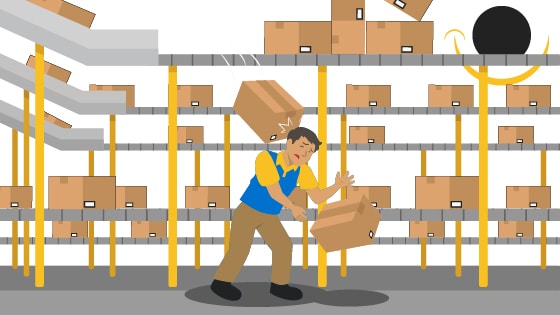
Los trabajos en el almacén, en el reparto y otros similares en Amazon implican movimientos repetitivos, levantar peso a un ritmo acelerado y esfuerzo físico. Entre las lesiones más comunes se encuentran:
Los trabajadores de Amazon también suelen sufrir lesiones por esfuerzo excesivo que se desarrollan con el tiempo, en lugar de ser consecuencia de un único accidente. Las tareas repetitivas de levantar peso, escanear, girar el cuerpo y preparar pedidos a un ritmo acelerado pueden provocar lesiones crónicas en la espalda, las muñecas, los hombros y las rodillas. Estas lesiones pueden ser tan graves como los accidentes repentinos, aunque resulten más difíciles de documentar.
Tras sufrir una lesión, es importante acudir al médico y solicitar copias de tu historial médico. A continuación, póngase en contacto con nosotros para que le orientemos, ya que podemos ayudarle a gestionar el proceso de reclamación de indemnización laboral de Amazon y luchar por la indemnización que se merece.
Opiniones de clientes
 Revisión de Google
No puedo recomendar Kelly Viktorin en Armstrong Lee & Baker lo suficiente. Después de ser herido en el trabajo, yo estaba muy desanimado como muchos abogados no tomaría mi caso debido a las complejidades involucradas. Desde nuestra primera consulta, Kelly y su equipo se metieron de lleno, demostrando un nivel de dedicación y experiencia que inmediatamente me tranquilizó. A lo largo de todo el proceso, su comunicación fue excepcional. Me mantuvieron constantemente informado de cualquier actualización y me sentí como una prioridad. Kelly realmente fue más allá para luchar por mí, y estoy muy agradecido por su arduo trabajo y compromiso. Si usted está enfrentando un caso de lesión de trabajo desafiante, especialmente con un no-suscriptor de Texas, no dude en ponerse en contacto con Kelly Viktorin. Usted estará en excelentes manos.
Revisión de Google Cuando me lesioné, mi empresa no tenía seguro de accidentes de trabajo. Tenían algo llamado seguro no suscrito. Probé con una docena o más de abogados y nadie aceptó mi caso. Perdí mi casa en Texas, así que justo cuando me estaba mudando de vuelta a mi lugar de origen, Florida, llamé a Armstrong Lee & Bkaer. Dijeron que podían llevar mi caso. Poco después conocí a Adam Grable.
Adam tomó el caso y lo desenredó como un campeón. Era un caso difícil y por eso otros abogados no tomaron. Durante el año siguiente, Adam porque un amigo y un miembro de la familia. Lo encontré brillante y agradable y cuando era necesario que encontró para mí. Al final, tomamos un acuerdo a pesar de que Adam me dijo que tenía una buena oportunidad en el juicio. ¡Él entendió que yo quería esto detrás de mí! ¡Si alguna vez te encuentras necesitaba un abogado confía en mí Adam Grable estará de su lado!
Revisión de Google Me había lesionado en el trabajo, y los abogados de Armstrong Lee & Baker lucharon por lo que se me debía. Estoy muy agradecido por su atención y rapidez con el manejo de mi caso. Un saludo a Lindsey W.
Revisión de Google Cuando me lesioné, mi empresa no tenía seguro de accidentes de trabajo. Tenían algo llamado seguro no suscrito.
Probé con una docena o más de abogados y nadie aceptó mi caso.
Perdí mi casa en Texas, así que justo cuando me estaba mudando de nuevo a donde yo era de, Florida, o llamada Armstrong y Lee. Dijeron que podían llevar mi caso. Poco después conocí a Adam Grable.
Adam tomó el caso y lo desenredó como un campeón. Era un caso difícil y por eso otros abogados no tomaron.
Durante el año siguiente, Adam porque un amigo y un miembro de la familia.
Lo encontré brillante y agradable y cuando era necesario que encontró para mí.
Al final, tomamos un acuerdo a pesar de que Adam me dijo que tenía una buena oportunidad en el juicio. ¡Él entendió que yo quería esto detrás de mí!
¡Si alguna vez te encuentras necesitaba un abogado confía en mí Adam Grable estará de su lado!
Ver más opiniones en Google Maps.
La razón por la que puede sufrir una lesión en el trabajo en Amazon puede depender de su función.
Los motivos de las lesiones pueden ser:
Los repartidores pueden enfrentarse a riesgos adicionales, como accidentes de tráfico, mordeduras de perro, enfermedades relacionadas con el calor y lesiones provocadas por la presión de realizar entregas con prisa. Los empleados de los centros logísticos suelen enfrentarse a riesgos relacionados con la maquinaria de almacén, los sistemas de cintas transportadoras y las constantes presiones para mantener la productividad. Las diferentes funciones pueden dar lugar a distintos problemas legales, por lo que es importante realizar un análisis específico de cada caso.
Si ha sufrido lesiones mientras trabajaba para Amazon, es posible que desee considerar la contratación de un abogado. Si la negligencia de Amazon causó su lesión, podrían ser considerados responsables por el daño que ha sufrido.
Nuestro equipo legal está listo para investigar su reclamo, determinar si hubo negligencia y luchar por la compensación que usted merece. Póngase en contacto con nosotros hoy mismo para saber cómo podemos ayudarle.
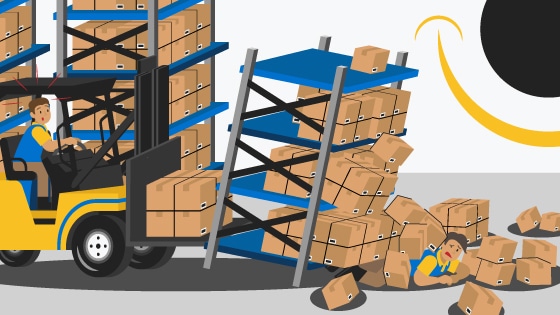
Sí, en muchos casos se puede demandar a Amazon por una lesión laboral en Texas. Esto sorprende a muchos empleados, sobre todo a aquellos que dan por sentado que las lesiones laborales se tramitan exclusivamente a través del seguro de accidentes de trabajo. Sin embargo, dado que Amazon no está afiliada al sistema de Texas, las normas son diferentes.
A diferencia de los empleadores que participan en el sistema tradicional de indemnización por accidentes de trabajo, las empresas que no están afiliadas, como Amazon, a menudo pueden ser consideradas responsables en una demanda por daños personales cuando la negligencia ha contribuido a la lesión de un empleado. En muchos casos, esto otorga a los trabajadores lesionados derechos de los que no dispondrían en un sistema estándar de indemnización por accidentes de trabajo.
Es posible que tengas motivos para demandar a Amazon si tu lesión se debió a condiciones de trabajo inseguras o a negligencia, como por ejemplo:
Una ventaja importante en los casos de «no suscriptores» es que la legislación de Texas limita ciertas defensas que, de otro modo, Amazon podría intentar esgrimir. Por ejemplo, los empleadores que no son suscriptores a menudo no pueden alegar que el trabajador «asumió el riesgo» por el mero hecho de realizar su trabajo. Esto puede reforzar el caso del trabajador lesionado.
Lucharemos por la indemnización que se merece.

Muchos trabajadores lesionados dan por sentado que la indemnización se limita a los gastos médicos y al salario perdido. En los casos de empresas no afiliadas, puede que esto no sea así. Dependiendo de las circunstancias de su caso, es posible que pueda obtener una indemnización por:
En el caso de lesiones graves, estas indemnizaciones pueden superar con creces lo que podría ofrecer un plan de prestaciones interno. Esa es una de las razones por las que las reclamaciones por lesiones en Amazon a menudo deben evaluarse como casos de daños personales, y no solo como reclamaciones laborales.
Si sufres una lesión mientras trabajas para Amazon, es posible que te preguntes cómo funciona realmente la indemnización por accidente laboral en Texas. Te lo explicamos: lo más probable es que la empresa te indique que presentes una reclamación a través de su plan de seguro privado. Sin embargo, si tu lesión se debió a una negligencia de Amazon, tienes derecho a salir del ámbito del plan de la empresa y presentar una demanda. En ese caso, el proceso se asemeja más a un caso de daños personales que a una reclamación tradicional de indemnización por accidente laboral.
Por ello, nuestros abogados pueden:
No se equivoque: Amazon cuenta con un potente equipo jurídico de su lado y luchará para proteger a la empresa. Para enfrentarse a Amazon, necesitará un abogado especializado en lesiones personales con experiencia y competencia, y eso es precisamente lo que le ofrece Armstrong Lee & Baker. Contar con un bufete de Texas sin afiliación a ninguna aseguradora, como el nuestro, le permite estar en igualdad de condiciones.
También conviene señalar que el rechazo interno de una reclamación no significa necesariamente que tu caso haya terminado. En algunos casos, una reclamación denegada o pagada a la baja puede, de hecho, dar pie a una demanda con más posibilidades de éxito.
Si has sufrido una lesión en el trabajo, el tiempo es fundamental. A continuación te indicamos los pasos que debes seguir para protegerte tras una lesión:
Debes recopilar toda la documentación posible por tu cuenta. Si puedes, fotografía el lugar del accidente. Guarda los mensajes de texto o los correos electrónicos relacionados con el incidente, anota los nombres de los testigos y toma notas sobre el nivel de dolor, las bajas laborales y las conversaciones con la dirección o los gestores de siniestros. En los casos en los que no se dispone de seguro, este tipo de documentación independiente puede resultar de gran valor.
Con la ayuda adecuada, puede evitar errores que podrían costarle su justa indemnización.
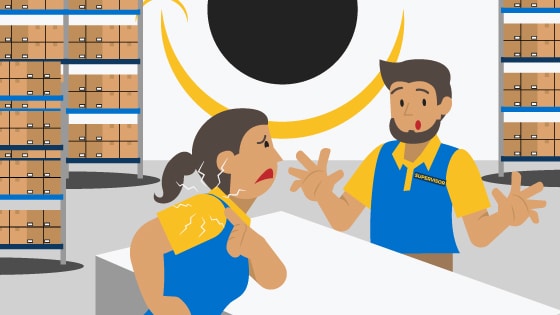
Las ubicaciones de los principales centros de Amazon en Texas incluyen:
Si has sufrido una lesión mientras trabajabas en un centro de distribución o de logística de Amazon, llámanos hoy mismo.
Nuestro equipo está aquí para guiarle a través del proceso y ayudarle a recuperar la indemnización que se merece.
Un problema al que se enfrentan muchos trabajadores lesionados es la presión para reincorporarse antes de que estén médicamente preparados. Esto puede producirse a través de tareas de menor intensidad, expectativas laborales adaptadas o presiones sutiles por parte de los supervisores.
Volver al trabajo demasiado pronto puede agravar las lesiones y complicar tu reclamación. Si te están presionando para que vuelvas antes de que te sientas capaz, consulta con un abogado antes de tomar decisiones que puedan afectar a tu salud o a tus derechos legales.
Amazon ha sido objeto de una gran atención pública por sus índices de accidentes laborales, especialmente en los centros logísticos, donde las exigencias de rapidez y el esfuerzo físico son elevados. Aunque cada centro es diferente, los informes y las investigaciones se han centrado repetidamente en las lesiones ergonómicas, el esfuerzo excesivo y los problemas de seguridad derivados de la presión por la producción.
Para los trabajadores lesionados, estas cuestiones de seguridad más generales pueden ser importantes. La existencia de una serie de riesgos conocidos puede respaldar la afirmación de que las lesiones eran evitables y se debieron a negligencia, en lugar de a accidentes inevitables.
Si usted está sufriendo de una lesión de un accidente de almacén de Amazon, estamos aquí para abogar por usted.
Nuestros abogados de Armstrong Lee & Baker LLP trabajarán para asegurar que usted recupere la compensación de los trabajadores de Amazon que se merece.
Además de no suscriptores y las reclamaciones de indemnización de los trabajadores, también tenemos experiencia en accidentes de camiones, accidentes de plataformas petrolíferas, y mucho más.
Sabemos cómo defienden estas reclamaciones las grandes empresas y sus aseguradoras, y sabemos cómo hacer frente a sus argumentos. Tanto si necesita ayuda con una reclamación interna, una reclamación denegada o una demanda por negligencia, nuestro equipo está preparado para luchar por la indemnización completa que le corresponde.
Llámenos hoy mismo al 832-402-6637 para una consulta gratuita.








Abogados de lesiones personales de confianza en Houston
Averigüe si tiene un caso o pregúntenos algo
rellenando el siguiente formulario o llámenos al 832-402-6637
Armstrong, Lee & Baker hicieron un trabajo absolutamente maravilloso con mi caso. ¡La resolución de mi caso fue por encima y más allá de lo que esperaba! Shruti, el asociado que manejó mi caso mostró gran profesionalismo y no podría estar más satisfecho con el resultado. ¡Gracias a todos!

Josh Lee ha sido el mejor abogado. Él lucha duro para usted y no se dará por vencido hasta que se le paga lo que se merece. Fuimos muy afortunados de encontrarlo a él y a su equipo. ¡Cualquier pregunta o preocupación que estaba disponible día y noche para responder a cualquier cosa que necesitábamos!
Tuve una gran experiencia con esta oficina de abogados. El equipo se comunicó eficazmente y proporcionó plazos claros para mi caso de accidente. Su profesionalidad y transparencia hizo que el proceso sin problemas. ¡Yo recomiendo! ¡Emma Coomes y Dennise fueron increíbles!

Esta página ha sido escrita, editada y revisada por un equipo de abogados siguiendo nuestras exhaustivas directrices editoriales. Nuestros abogados tienen más de 20 años de experiencia legal como abogados de lesiones personales.
 Llámenos: 832-402-6637
 Llame a
 Mensaje