
832.402.6637Free Consultation
Updated & Reviewed by
Jared Berg -
October 30, 2026
Yes, you can sue for carbon monoxide poisoning in Texas if someone else’s negligence, a defective product, or an unsafe property caused your exposure. You may have grounds for a personal injury lawsuit against a landlord who failed to maintain a gas appliance, a manufacturer that sold a defective water heater, or a property owner who failed to install or maintain required carbon monoxide detectors.
Carbon monoxide (CO) is an odorless, colorless gas that can cause severe brain damage, permanent disability, and death. Because victims often have no warning before exposure, these cases can involve serious injuries and substantial medical expenses. If you or someone you love suffered carbon monoxide poisoning, Armstrong Lee & Baker LLP can investigate what happened, identify the responsible parties, and pursue compensation for your losses.
You may have a valid carbon monoxide poisoning claim when another party’s failure to act reasonably caused you to breathe dangerous levels of CO. These cases often involve premises liability, product liability, or negligence, depending on what caused the exposure.
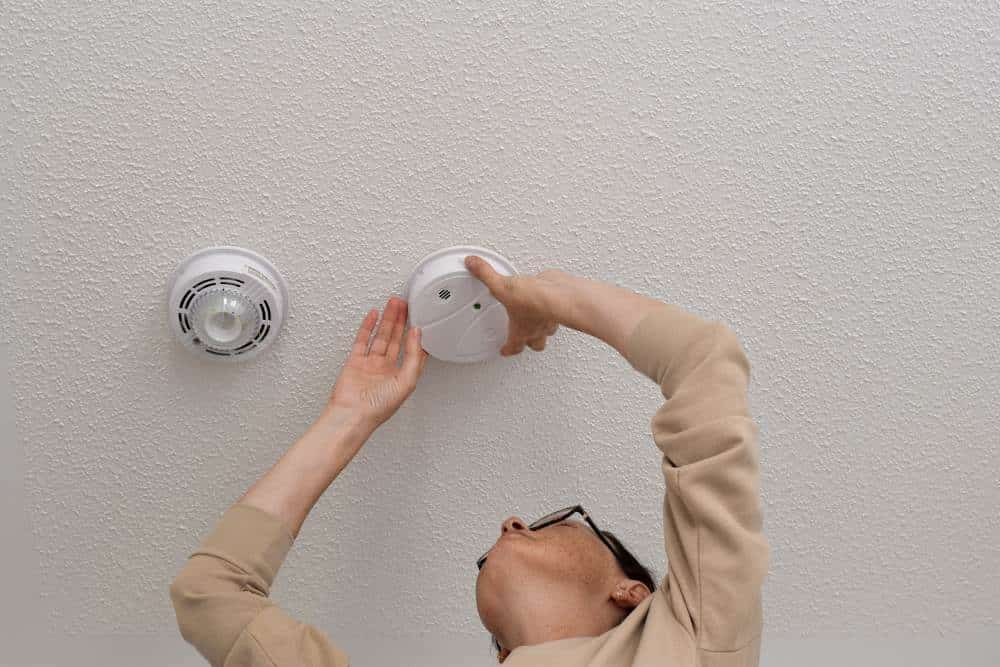
For example, a landlord might ignore repeated complaints about a malfunctioning gas furnace, allowing carbon monoxide to accumulate inside a rental home. A manufacturer might sell a defective gas fireplace that emits dangerous levels of CO during normal use. A property owner might also fail to install or maintain carbon monoxide detectors, leaving occupants without a warning when gas builds up.
In each situation, the central question is whether someone had a responsibility to prevent the danger, failed to meet that responsibility, and caused injuries as a result.
Not every case of carbon monoxide poisoning leads to a successful lawsuit. You generally need evidence connecting another party’s negligence or a defective product to your exposure and resulting harm. An attorney can investigate the circumstances and determine whether you have grounds for a claim.

Depending on where the exposure occurred and what caused it, more than one party may be responsible for carbon monoxide poisoning. Identifying the right defendants is an important part of building a strong case.
Landlords and other property owners may be liable when unsafe conditions on their property cause carbon monoxide exposure. Examples include failing to repair a malfunctioning furnace, ignoring a dangerous gas leak, or failing to address known ventilation problems.
A landlord’s liability depends on the circumstances, including the landlord’s control over the property, applicable legal duties, and whether the landlord knew or should have known about the hazard. Texas law does not automatically make a landlord responsible for every injury that occurs in a rental property, but a failure to address a known or reasonably discoverable danger may support a claim.
Property owners, hotel operators, and other businesses may also face liability when unsafe heating systems, appliances, or building conditions expose guests, tenants, or customers to carbon monoxide.
Sometimes, the problem isn’t a lack of maintenance. It’s a defective product.
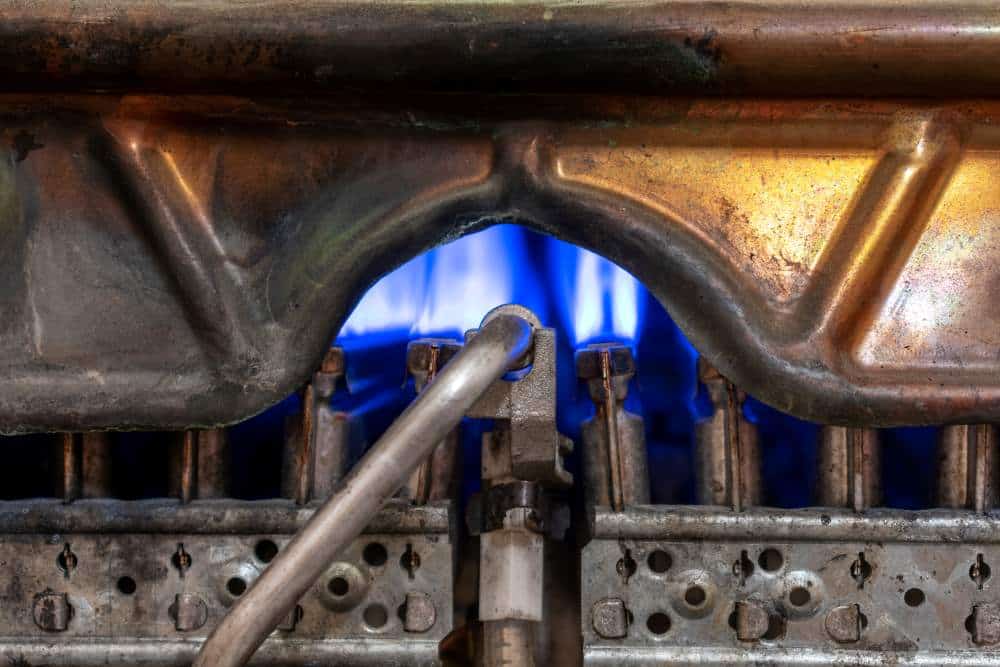
Manufacturers may be liable when a design defect, manufacturing defect, or inadequate warning makes a product unreasonably dangerous and causes carbon monoxide poisoning. Potentially defective products include gas water heaters, furnaces, space heaters, gas fireplaces, generators, and other fuel-burning appliances.
For example, a gas water heater with a defective exhaust system might release carbon monoxide into a home’s living space instead of venting it outdoors. If the defect caused the exposure, the manufacturer may be responsible for the resulting injuries.
Depending on the facts, claims may also be available against distributors, retailers, installers, or contractors whose conduct contributed to the danger.
Property owners often hire outside companies to install, inspect, or repair gas appliances and heating systems. If a contractor performs substandard work that causes carbon monoxide to accumulate, that contractor may share responsibility for the injuries.
Imagine a technician servicing a furnace but failing to connect the exhaust vent correctly. The furnace continues operating, and dangerous levels of carbon monoxide enter the home. If the faulty repair caused the exposure, the technician or the company responsible for the work may be liable.
An investigation can help determine whether the problem originated with the appliance, its installation, inadequate maintenance, or several failures at once.
Carbon monoxide poisoning can happen outside the home, too. Guests at a hotel, residents at an apartment complex, employees at a workplace, or customers at another business may be exposed when fuel-burning equipment is improperly maintained or ventilation systems fail.
A business may face liability if it fails to take reasonable steps to protect people from a foreseeable carbon monoxide hazard. The specific legal duties will depend on the property, the relationship between the parties, and the circumstances surrounding the exposure.
The strongest cases typically involve evidence of a preventable hazard and a clear connection between that hazard and the victim’s injuries. The following examples illustrate situations that may support a lawsuit.
These examples don’t guarantee that a lawsuit will succeed. The available evidence, applicable legal duties, and cause of the exposure all matter. However, they demonstrate how a preventable safety failure can lead to a potentially valid claim.
Not every dangerous carbon monoxide incident results from a defective product or another party’s negligence.
For example, suppose someone runs a portable gas-powered heater inside a closed garage without proper ventilation, despite the product’s warnings against indoor use. The heater releases carbon monoxide, and the person suffers severe poisoning.
If the heater worked as designed and the exposure resulted solely from the person’s unsafe use, there may be no valid claim against the manufacturer. The same may be true if no other party had a legal duty that was breached.
However, the circumstances still matter. A product defect, inadequate warning, or another party’s negligence could contribute to an incident even when the user made a mistake. Texas also follows a modified comparative responsibility system, meaning a person’s own negligence can affect their right to recover damages.
The important question isn’t simply whether someone made a mistake. It’s whether another party’s legally actionable conduct contributed to the injury.
Carbon monoxide poisoning cases often require a detailed investigation because the gas leaves no obvious warning signs and the source of exposure may not be immediately apparent.
To establish liability, an attorney will generally investigate several issues:
Because dangerous conditions may be repaired or altered soon after an incident, preserving evidence is especially important. Photos, maintenance records, detector information, appliance components, witness statements, and emergency response reports may all become valuable evidence.
Carbon monoxide poisoning can lead to extensive medical treatment, time away from work, and long-term health problems. If another party is legally responsible, you may be able to pursue compensation for the financial and personal consequences of your injuries.
Depending on the facts, recoverable damages may include:
The value of a carbon monoxide poisoning claim depends on factors such as the severity of the exposure, the extent of the injuries, the need for future treatment, the effect on the victim’s ability to work, and the strength of the liability evidence. There is no reliable average settlement that applies to every case.
In fatal cases, eligible surviving family members may have wrongful death claims, and the deceased person’s estate may have a separate survival claim. The claims available depend on the circumstances and Texas law.
You should consider speaking with a personal injury attorney if you believe a defective appliance, unsafe property, or negligent maintenance caused your carbon monoxide exposure. This is especially important if you were hospitalized, suffered neurological symptoms, developed lasting health problems, or lost a loved one.
Carbon monoxide poisoning can cause headaches, dizziness, nausea, confusion, and weakness. Severe exposure can lead to unconsciousness, heart complications, neurological damage, and death. Some people also experience lingering cognitive or neurological symptoms after the initial exposure has ended.
If you suspect carbon monoxide exposure, leave the affected area immediately and seek emergency medical assistance. Don’t reenter the property until emergency responders or qualified professionals determine that it is safe.
Once the immediate danger has passed, consider taking the following steps to protect a potential claim:
Texas generally imposes a two-year statute of limitations on personal injury claims, although exceptions may apply depending on the circumstances. Product liability claims and wrongful death cases can also involve specific deadlines and legal requirements. Waiting too long can jeopardize your right to recover compensation, so it’s wise to investigate your options promptly.
Carbon monoxide poisoning claims can involve complex questions about product design, property maintenance, building safety, and medical causation. The responsible parties may also dispute what caused the exposure or argue that the victim was at fault.
An experienced personal injury lawyer can investigate the incident, preserve evidence, consult appropriate experts, identify potentially liable parties, and calculate the full extent of your damages. Your attorney can also handle communications with insurers, challenge attempts to minimize your injuries, and pursue a settlement or take the case to trial when necessary.
At Armstrong Lee & Baker, we prepare every case as if it could go to trial. We know that serious injuries can change every part of your life, and we’re determined to win compensation for our clients when someone else’s negligence causes harm.
If you or a loved one suffered carbon monoxide poisoning because of a dangerous property condition, a defective appliance, or another party’s negligence, you don’t have to figure out your legal options alone.
Armstrong Lee & Baker represents injured Texans in complex personal injury cases. We’ll evaluate the circumstances, investigate potential sources of liability, and help you understand the options available to pursue compensation for your injuries and losses.
Contact Armstrong Lee & Baker today for a free consultation. We work on a contingency fee basis, meaning you don’t pay attorney’s fees unless we recover compensation for you. Let us investigate what happened and fight for the recovery you deserve.

This page has been written, edited, and reviewed by a team of lawyers following our comprehensive editorial guidelines. Our lawyers have more than 20 years of legal experience as personal injury attorneys.

If you are seriously injured in a car accident, you will have to deal with your own insurance as well as the other driver’s insurance. Worrying about contact...
Posted by Scott Armstrong

If you have been injured in Texas, you do not have unlimited time to take legal action. The law sets strict deadlines for filing a personal injury lawsuit, typically...
Posted by Scott Armstrong
As a consumer, when you purchase or use a product, you expect that it will function properly and as designed. Unfortunately, however, this is not always the case. And ...
Posted by C.J. Baker
 Call
 Message