
832.402.6637Free Consultation
Updated & Reviewed by
Scott Armstrong -
September 3, 2026
Forklifts are essential in warehouses, construction sites, manufacturing facilities, distribution centers, and other workplaces throughout Texas. But when a forklift is operated carelessly, the consequences can be severe. A worker who is struck by a forklift, crushed between equipment, or injured by a falling load may suffer serious injuries.
When a forklift accident happens, determining who is responsible isn’t always straightforward. The forklift operator may have caused the accident, but the employer may also be responsible for negligent training or supervision. In other cases, a defective forklift, inadequate maintenance, or dangerous property conditions may have contributed to the injury.
If you were injured because of forklift operator negligence, you may be wondering who is liable and who will pay for your injuries. The answer depends on how the accident happened, who was involved, and whether the injured worker is covered by workers’ compensation.
Forklift operators have a responsibility to operate their equipment with reasonable care and caution. A forklift is heavy, powerful machinery that can cause catastrophic injuries when it’s not operated properly.
OSHA requires employers to ensure that forklift operators are trained and competent to operate the equipment safely. Training must address the type of forklift being used, workplace hazards, pedestrian traffic, load handling, ramps and other conditions that can affect safe operation.
Employers must also evaluate operators periodically and provide refresher training when an operator demonstrates unsafe behavior or is involved in an accident or near miss.
Forklift operator negligence can include many different types of conduct, such as:
A forklift operator does not have to intentionally cause an accident to be negligent. If the operator fails to use the level of care that a reasonably careful forklift operator would use under similar circumstances, that conduct may contribute to liability for an injury.
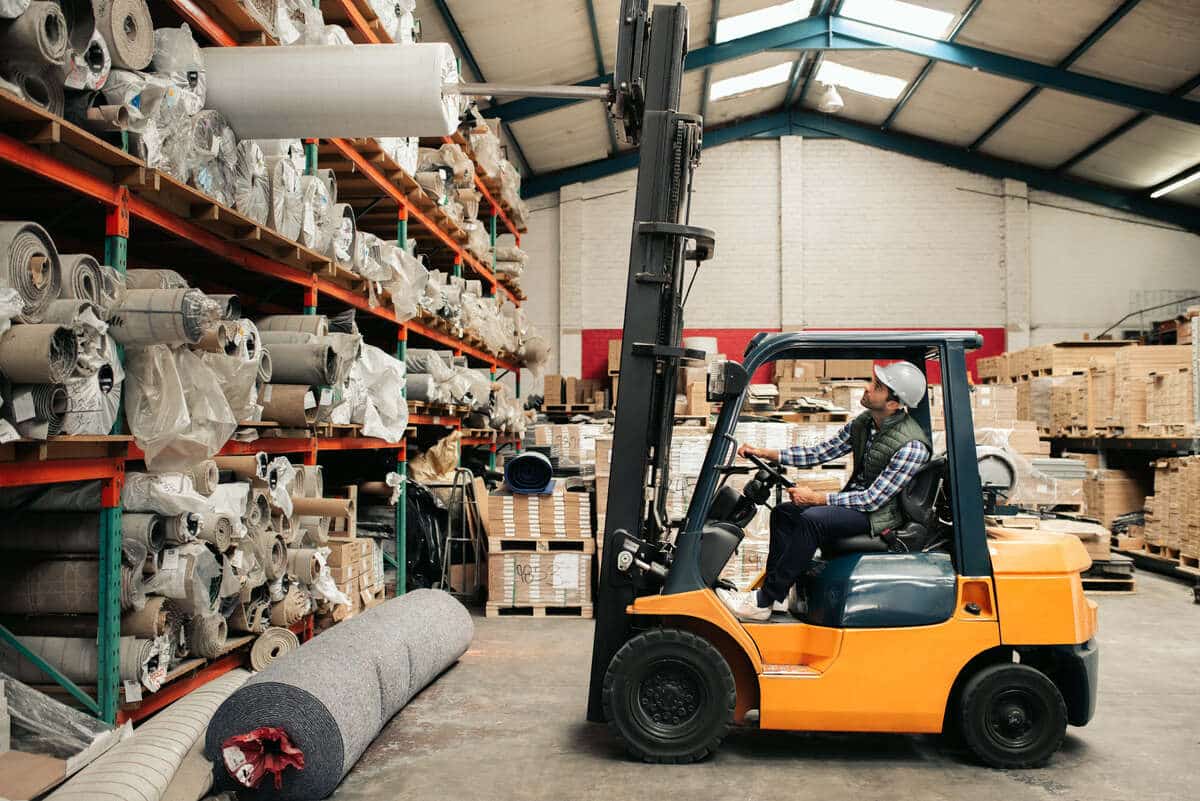
The forklift operator may be responsible for causing an accident, but that doesn’t necessarily mean the operator will personally pay an injured worker’s medical bills and other damages.
Several parties may potentially be liable for a forklift accident, depending on the circumstances.
A forklift operator can be negligent when they operate the equipment recklessly, carelessly, or in violation of safety rules.
For example, imagine a warehouse employee is driving a forklift through an area where other employees are working. Instead of slowing down and checking for pedestrians, the operator drives quickly around a blind corner and strikes another worker.
The operator’s failure to exercise reasonable care may have directly caused the accident.
However, even when the operator’s conduct was clearly negligent, an injured employee typically can’t simply demand that the operator personally pay for all of the resulting damages. The injured worker’s legal options may depend heavily on the employer’s workers’ compensation status and whether another party contributed to the accident.
An employer may have responsibility for a forklift accident even when an employee was operating the forklift at the time.
Employers have important responsibilities when it comes to forklift operations. OSHA requires employers to provide appropriate training and evaluate operators to make sure they can safely operate powered industrial trucks.
An employer may potentially be responsible when they:
For example, if a company knows an employee routinely drives a forklift too fast but allows that behavior to continue, the company may have additional exposure beyond the operator’s conduct.
Whether an injured employee can bring a negligence lawsuit directly against the employer, however, depends in part on whether the employer carries workers’ compensation insurance.
Texas is unusual because most private employers are not required to carry workers’ compensation insurance. Employers that do carry it are generally protected from most employee lawsuits for workplace injuries, while employers that do not carry workers’ compensation may be sued by injured employees under Texas law.
Sometimes the forklift operator is blamed for an accident that was actually caused, at least partly, by defective equipment.
A manufacturer could potentially be liable if a defect in the forklift caused or contributed to the accident. Depending on the circumstances, the problem could involve the design, manufacturing, or warnings associated with the equipment.
For example, if a forklift’s braking system unexpectedly fails because of a manufacturing defect, the resulting collision may have nothing to do with negligent driving.
A product liability claim against a manufacturer is different from a workers’ compensation claim. If a defective forklift contributed to a workplace injury, an attorney may need to investigate the equipment itself, maintenance records, inspection records, recall information, and other evidence to determine whether a third-party claim exists.
Forklifts need regular inspection and maintenance to remain safe to operate. OSHA guidance states that forklifts with defects or unsafe conditions should be removed from service and that problems should be reported.
If an outside company was responsible for inspecting, repairing, or maintaining the forklift and performed that work negligently, the maintenance provider could potentially be liable for injuries caused by the failure.
For example, if a repair company performs work on a forklift’s braking system but improperly repairs it, causing the brakes to fail and the forklift to strike a worker, the maintenance company’s negligence may provide a basis for a third-party claim.
The conditions of the workplace can also contribute to a forklift accident.
Property owners or other parties responsible for maintaining a premises may potentially be liable when dangerous property conditions cause or contribute to an injury. Examples could include an improperly maintained loading dock, unsafe flooring, inadequate lighting, dangerous traffic patterns, or other hazardous conditions.
Property-owner liability depends on the specific circumstances and the party’s legal responsibility for the condition that caused the accident.
The forklift operator may not be the only person whose actions contributed to an accident.
Another employee could have negligently created an unsafe condition, improperly directed forklift traffic, moved materials into a dangerous location, or otherwise contributed to the collision.
This is particularly important because workplace accidents can involve multiple contributing causes. Determining liability requires looking beyond the person who was physically operating the forklift.
Usually, an injured worker’s ability to recover from a negligent coworker is not as simple as filing a lawsuit against that individual.
If the forklift operator and injured worker are employees of the same company, workers’ compensation and Texas employment laws can significantly affect the claim. If the employer subscribes to workers’ compensation, the injured employee may generally seek workers’ compensation benefits for a qualifying workplace injury rather than bringing a traditional negligence lawsuit against the employer or coworker.
Workers’ compensation can provide benefits for medical treatment and, depending on the circumstances, some lost income.
Therefore, the negligent operator’s personal assets are not necessarily the source of compensation for the injured worker.
However, the analysis changes when a third party contributed to the accident. Texas law allows an injured employee to pursue damages against a liable third party while also pursuing workers’ compensation benefits.
That distinction can be extremely important after a serious forklift accident.
Texas allows most private employers to choose whether to provide workers’ compensation insurance. An employer that does not carry workers’ compensation is known as a non-subscriber.
If a non-subscriber employee is injured at work, the employee may have the ability to pursue a personal injury claim against the employer.
This can make forklift accident cases particularly complicated. An injured employee may have a potential claim involving the employer’s own negligence, the negligence of a coworker, or the negligence of another third party.
Non-subscriber cases also have important differences from ordinary workers’ compensation claims. For that reason, an injured worker should not assume that the only option is to accept whatever benefits the employer or its insurance company offers.
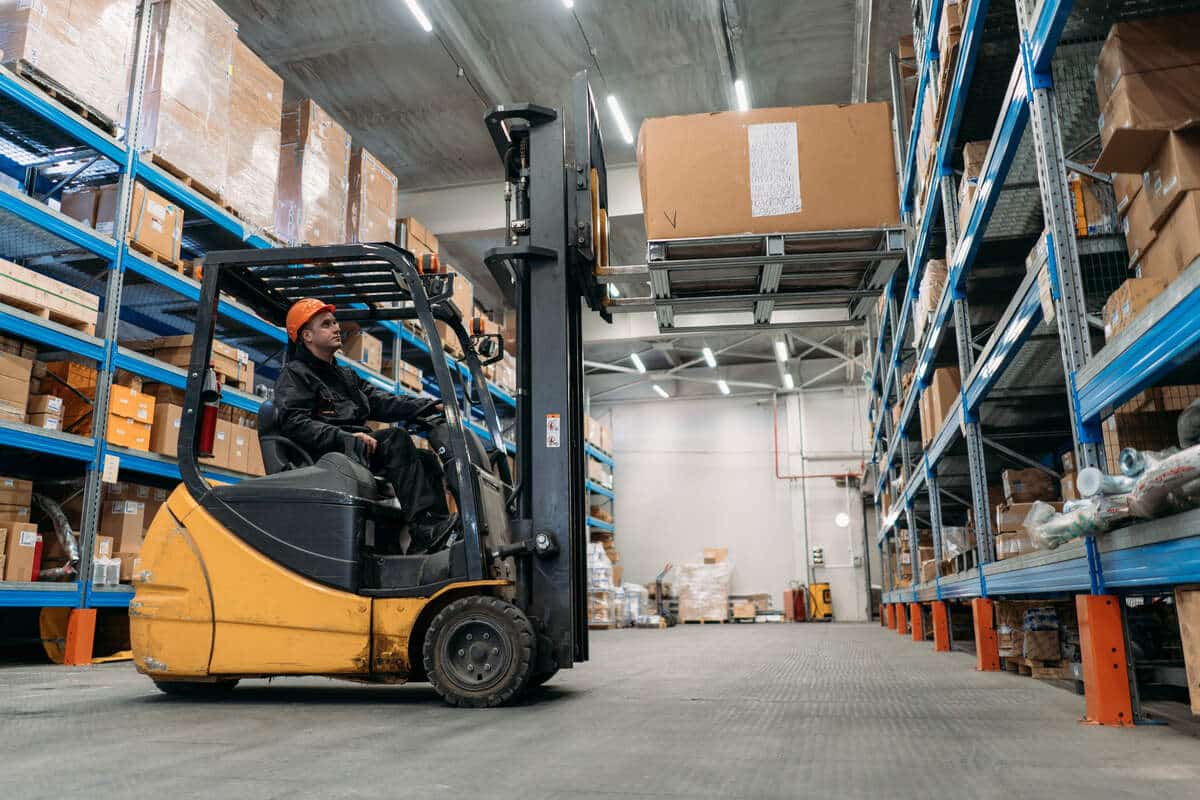
The party responsible for a forklift accident and the party that ultimately pays an injured worker aren’t always the same.
If you are injured while working for a company that carries workers’ compensation, you may be entitled to workers’ compensation benefits regardless of whether a coworker’s negligence caused the accident. Those benefits can help cover medical care and a portion of lost income.
If a third party is responsible, you may also have a personal injury claim against that party.
For example, suppose you work at a distribution facility and are struck by a forklift because of the negligent operator. If the forklift was owned and maintained by a separate company, and negligent maintenance contributed to the accident, you could potentially have a workers’ compensation claim as well as a third-party claim against the maintenance company.
Third-party claims can potentially provide compensation for damages that aren’t available through workers’ compensation. But workers’ compensation insurance carriers may have subrogation rights when an injured employee recovers from a responsible third party. Texas law addresses these rights and how a recovery may be distributed.
Because the interaction between workers’ compensation benefits and third-party claims can be complicated, it’s important to identify every potentially responsible party before accepting a settlement or deciding that no additional claim exists.
If you were injured in a forklift accident, take steps to protect your health and your potential legal claim.
First, seek medical attention. Some serious injuries may not be immediately obvious, and medical records can also help document the connection between the accident and your injuries.
Report the accident to your employer as required and make sure the incident is documented. If possible, preserve information about where the accident happened, what the forklift was doing, and who witnessed it.
You should also try to preserve evidence before it disappears. Depending on the circumstances, important evidence could include:
Don’t assume that your employer, the forklift operator, or an insurance company will automatically preserve all of this evidence. In some cases, important evidence can be overwritten, discarded, or lost unless steps are taken to preserve it.
Finally, consider speaking with a personal injury attorney who handles workplace and third-party injury claims. An attorney can investigate whether the forklift operator, employer, manufacturer, maintenance company, property owner, or another party may be responsible.
Forklift accidents can involve multiple overlapping legal issues. Determining who is liable may require reviewing workplace records, interviewing witnesses, examining the forklift, investigating maintenance and training practices, and determining whether workers’ compensation or third-party liability applies.
At Armstrong Lee & Baker, our attorneys understand how complicated serious workplace injury claims can become. We can investigate what happened, identify potentially responsible parties, and help determine what legal options may be available based on the circumstances of your accident.
If you or someone you love was injured because of forklift operator negligence, you don’t have to figure out who is responsible on your own. Contact Armstrong Lee & Baker to discuss your situation with an experienced Texas personal injury attorney. Your initial consultation is free, and you pay no attorney’s fees unless we recover compensation for you.
Scott Armstrong is the Managing Partner and co-founder of Armstrong Lee & Baker LLP. Known for his strategic insight and relentless pursuit of justice, Scott personally guides the firm’s approach to complex cases, including catastrophic injuries, vehicle accidents, workplace injuries, and product liability. His leadership has created a culture where excellence, innovation, and dedication to client success are paramount, and his influence is evident in every case the firm handles, often resulting in hundreds of millions recovered for clients.




This page has been written, edited, and reviewed by a team of lawyers following our comprehensive editorial guidelines. Our lawyers have more than 20 years of legal experience as personal injury attorneys.
If you are seriously injured in a car accident, you will have to deal with your own insurance as well as the other driver’s insurance. Worrying about contact...
Posted by Scott Armstrong
Let’s say you were injured on the job when a forklift operator clipped a stack of boxes. One wobbled, then toppled, sending a heavy load crashing onto your shoulder w...
Posted by C.J. Baker
Workplace injury claims in Texas can be complex, and understanding how the insurance provider Anchor Risk Management fits into the process is crucial for injured employ...
Posted by Joshua Lee
 Call
Call
 Message